 Brophy Canyon to Cache Creek Ridge Trip Report
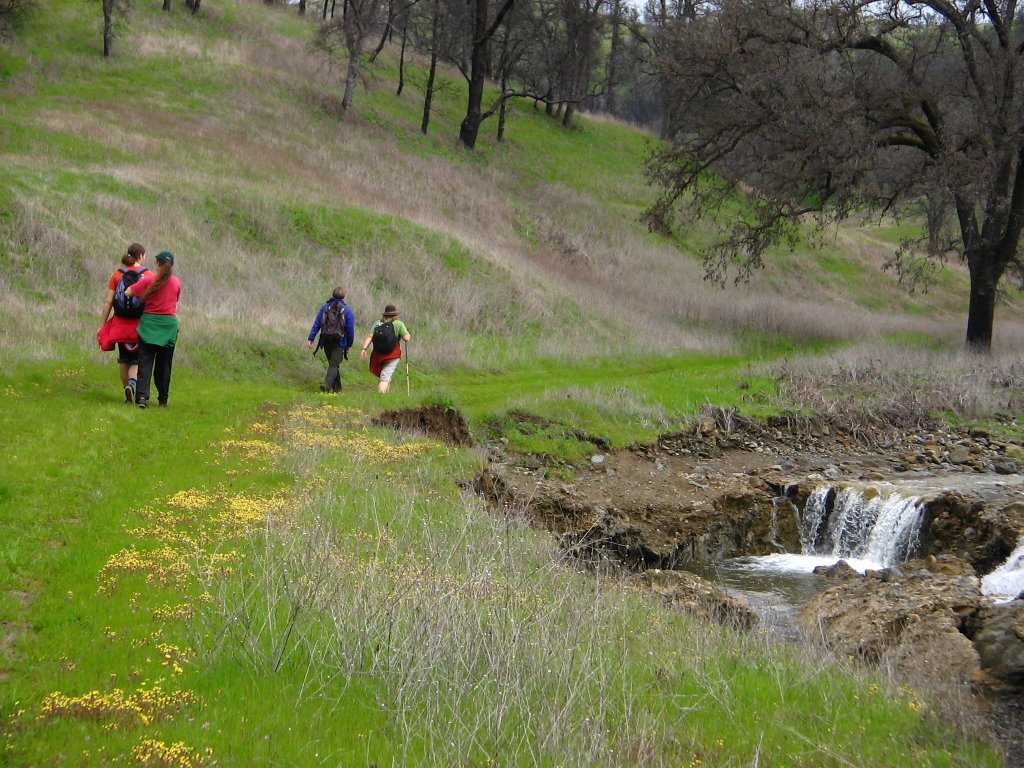
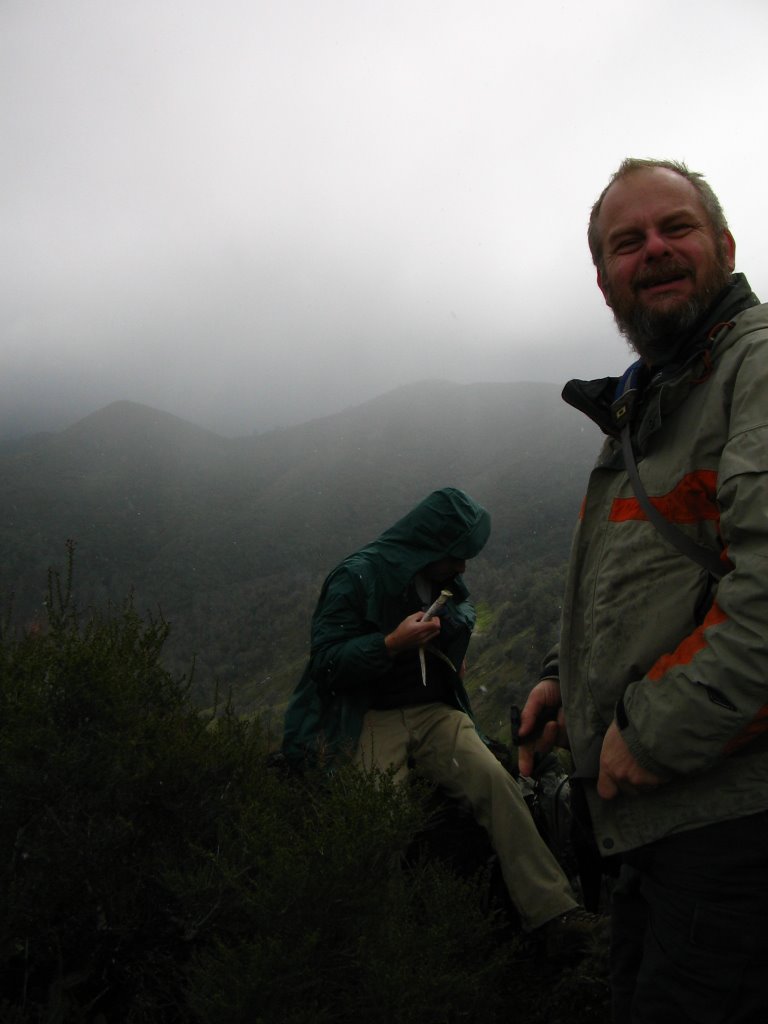
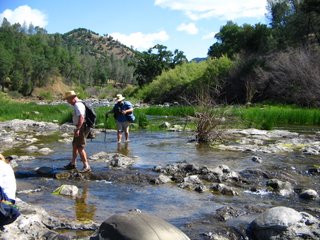
Unseasonably cool weather was the order of the day, as 17 of our intrepid hikers opted to go the full route. This meant they had to brave two creek crossings, moo-cows, moo-cow-patties, unbridled scenery, and spending the day with me. Adventurous lot!
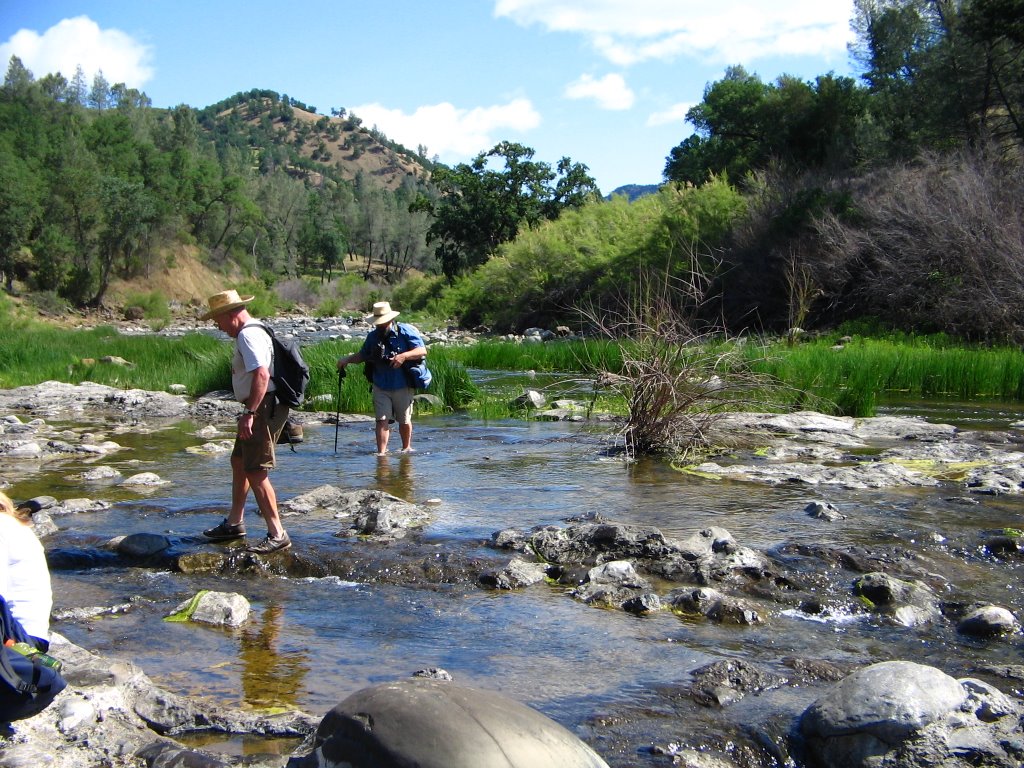
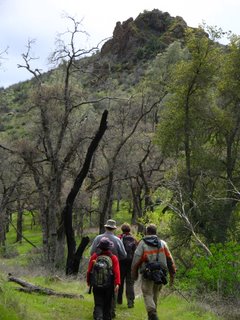
We parked at the pull-out at the mouth of Brophy Canyon, off of Highway 16, and began our trek down to Bear Creek, where we would have to cross. Sam brought the plank-o-matic, which is only version 1.0b, Douglas fir edition. Unfortunately, the plank wasn’t long enough to reach across the creek, so we opted to wade across, with some removing shoes and others deciding that wet shoes wouldn’t be a big deal. I was with the former.
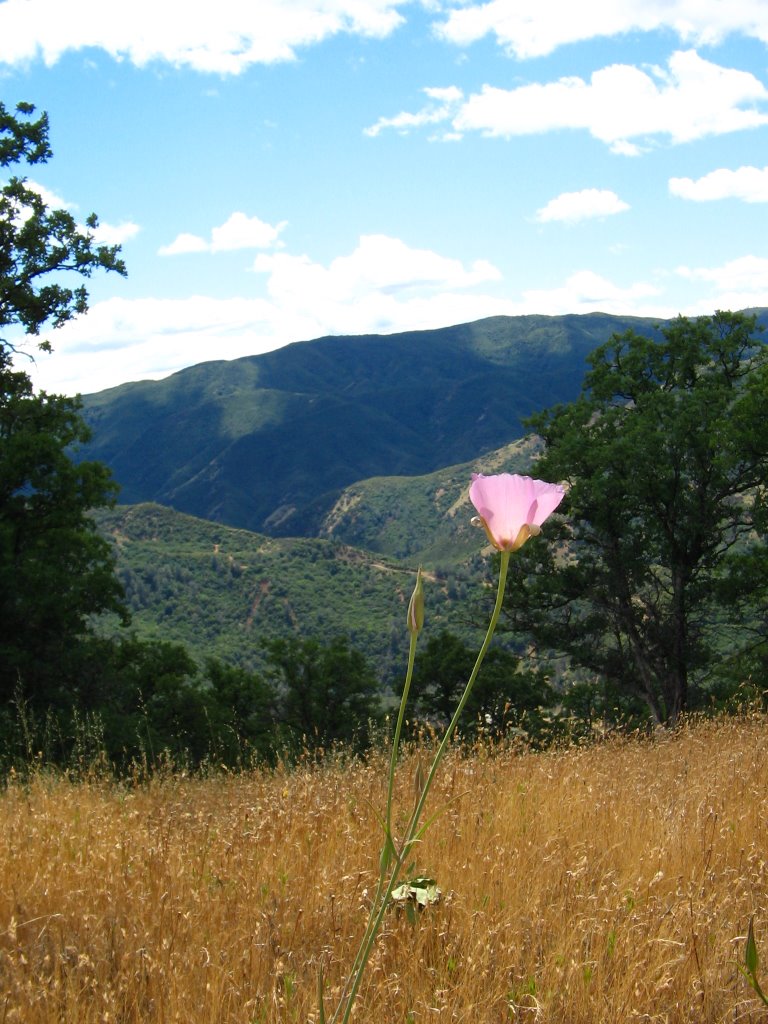
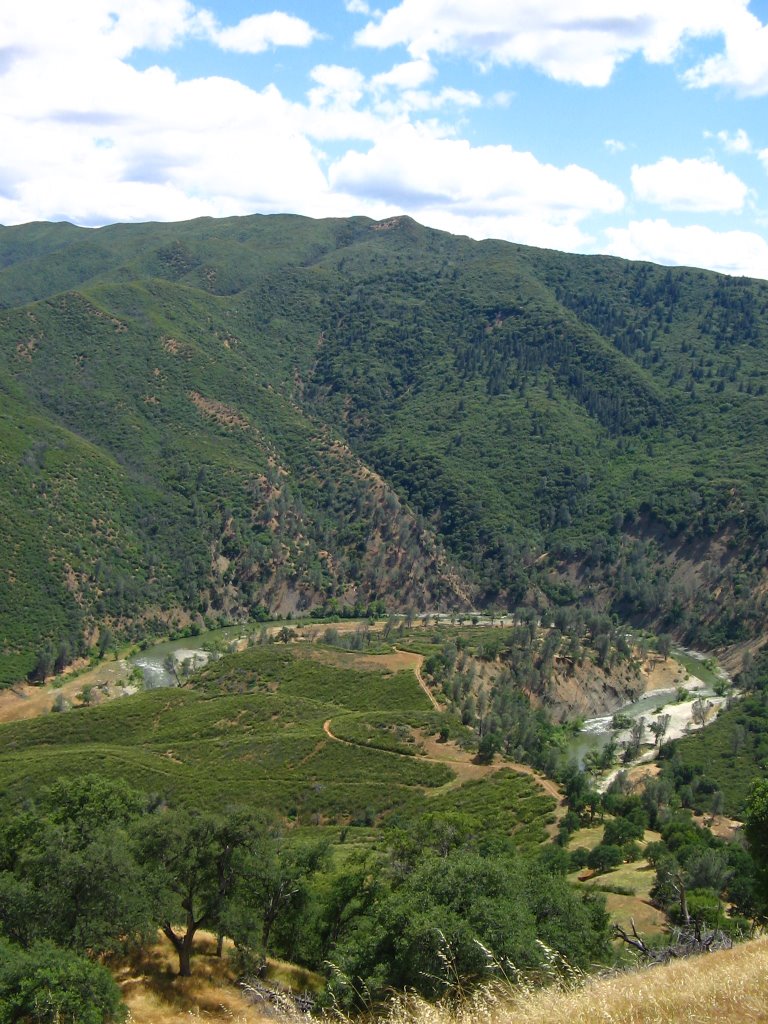
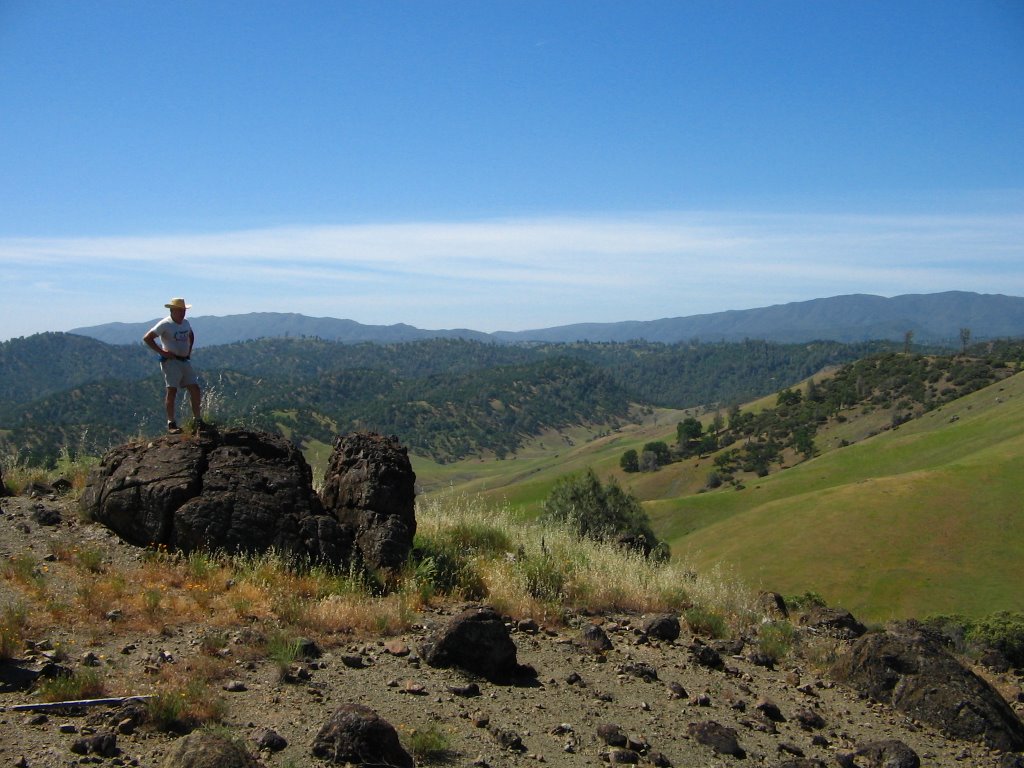
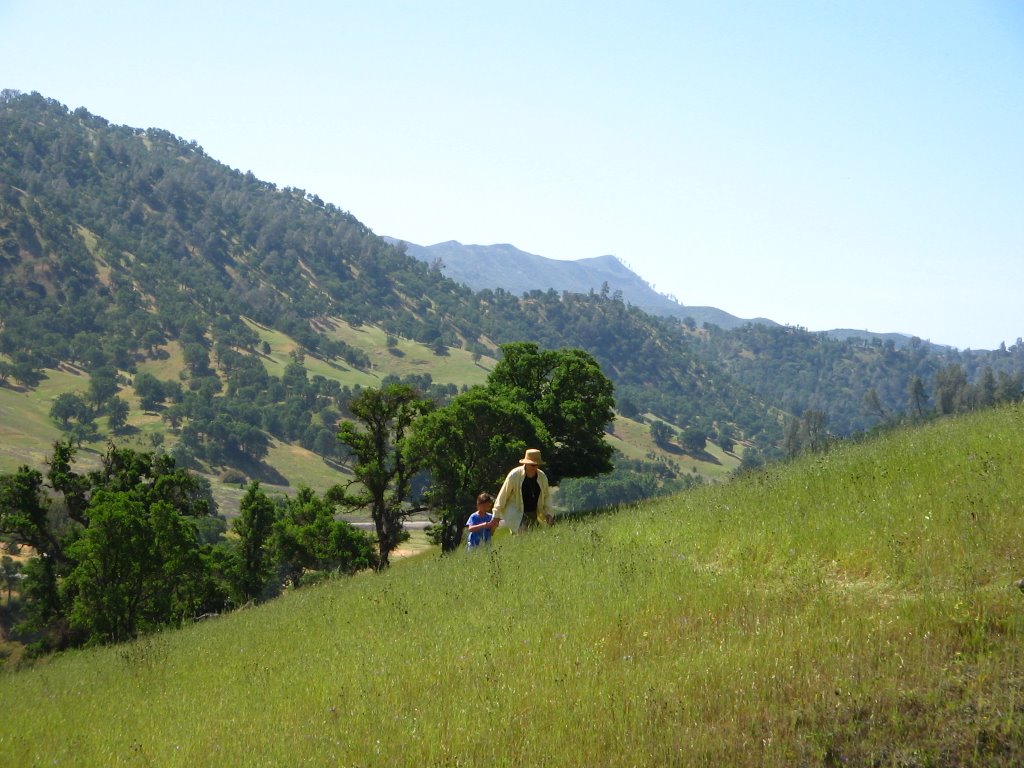
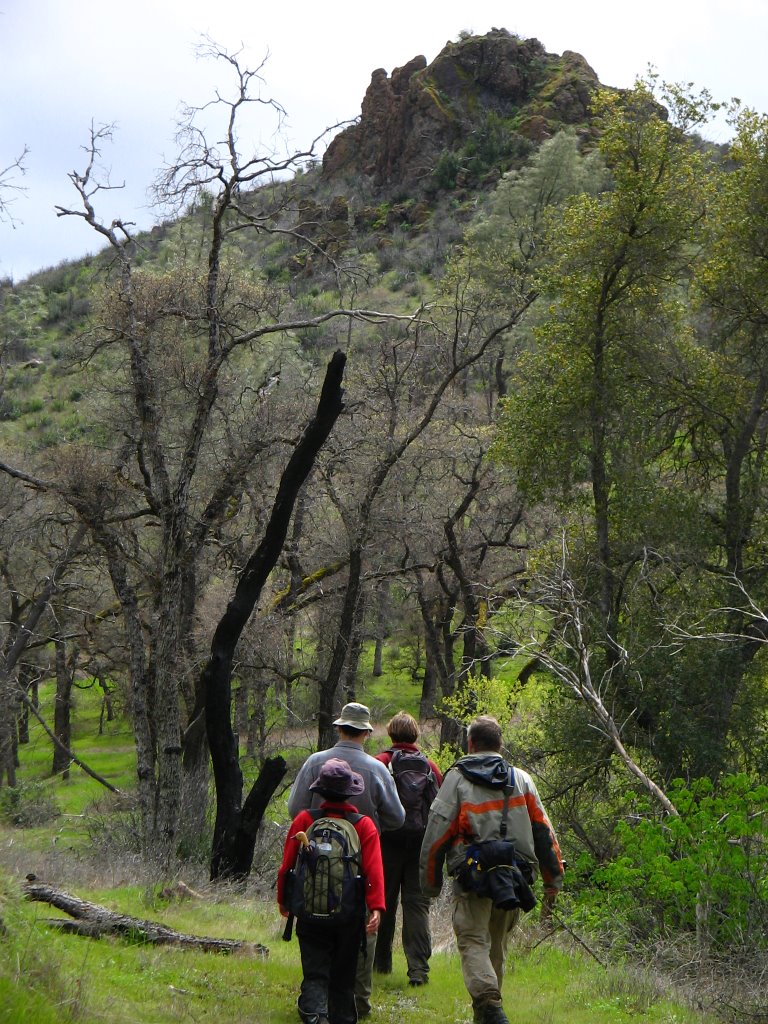
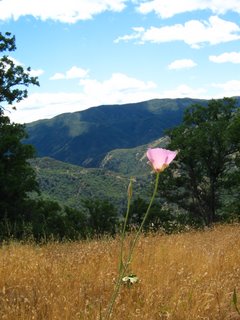
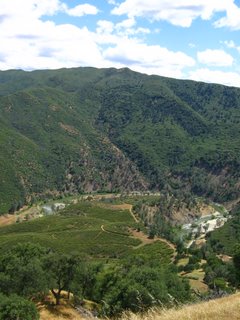
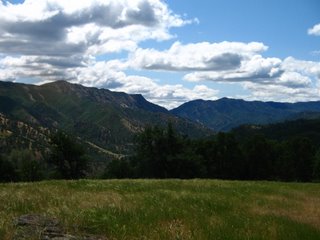
We began our ascent out of Brophy Canyon, enjoying the views of Cortina Ridge. It was one of those blue-sky-big-fluffy-clouds days, so we got some great pictures. Visibility was excellent and the air was clear. We hiked our way up past the cows grazing, said our obligatory ‘moo’s’, and moooved on. Lunch was at the ruins of the old stage stop. During lunch we saw a few pieces of heavy equipment grading the trail/farm road, as well as carrying out some car bodies and other trash left over by the previous owners. We gave a healthy round of applause. They didn’t notice.
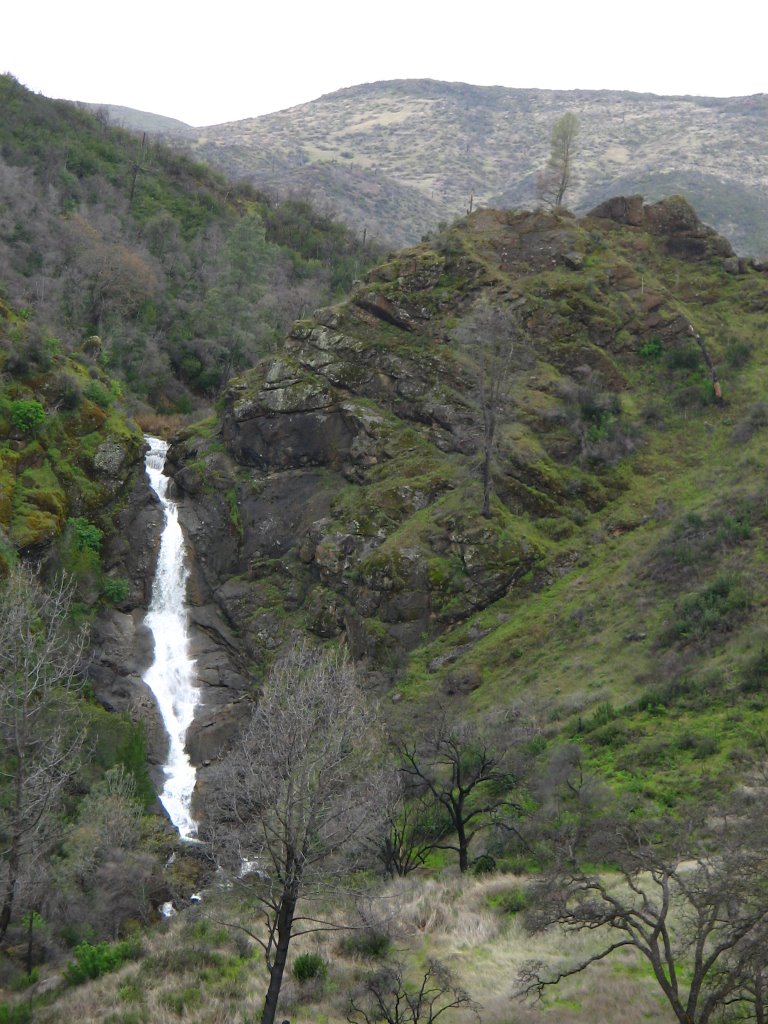
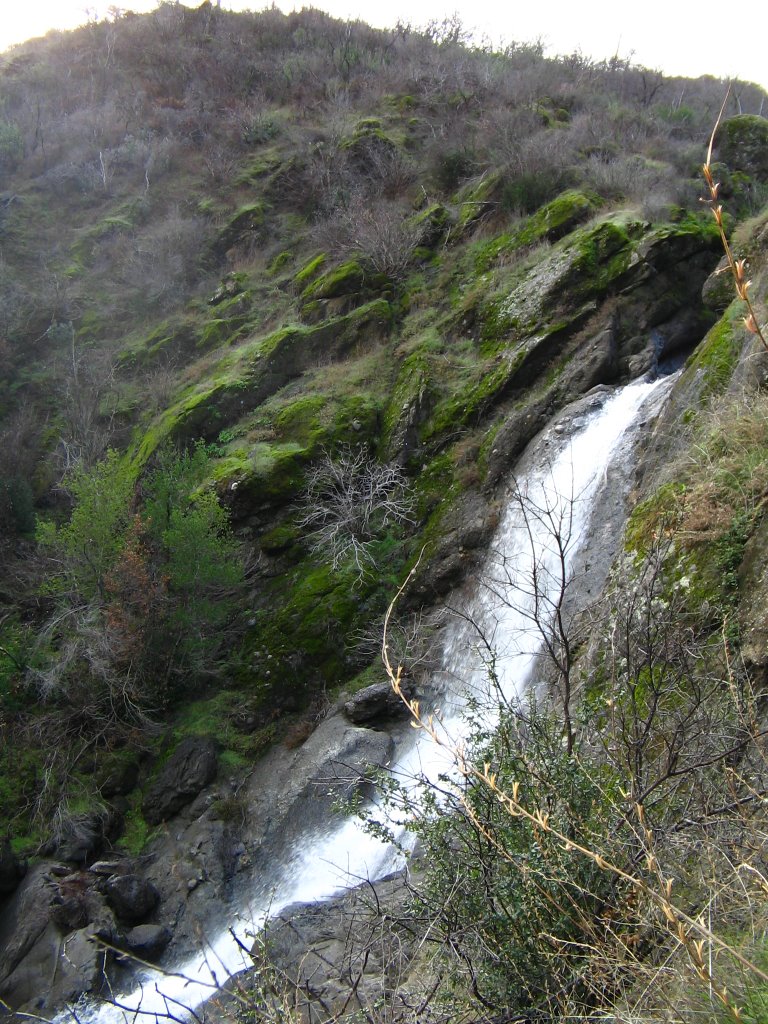
Then we were off to Cortina Ridge, where we finally saw Cache Creek and enjoyed our views of it the rest of the way back down to Bear Creek. A quick car shuttle and we were back at the trailhead.
Fabulous time!
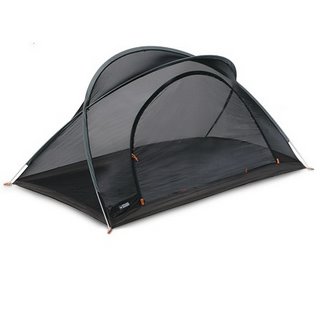 Good tent for summer campingOk, is this really a tent? Given that camping in California is pretty mild, the REI Bug Hut 2 is pretty much all you need for most seasons. In the Putah and Cache Creek area, this is perfect for early Fall, Spring, and Summer camping. It doesn't weigh much, has a full floor, is free-standing, and can sleep two comfortably.I made a rainfly out of 4-mil plastic, with grommets attached so it can attach firmly to the tent.Overall, it's a great value, and keeps the bugs out. It's become part of my lightweight backpacking setup.
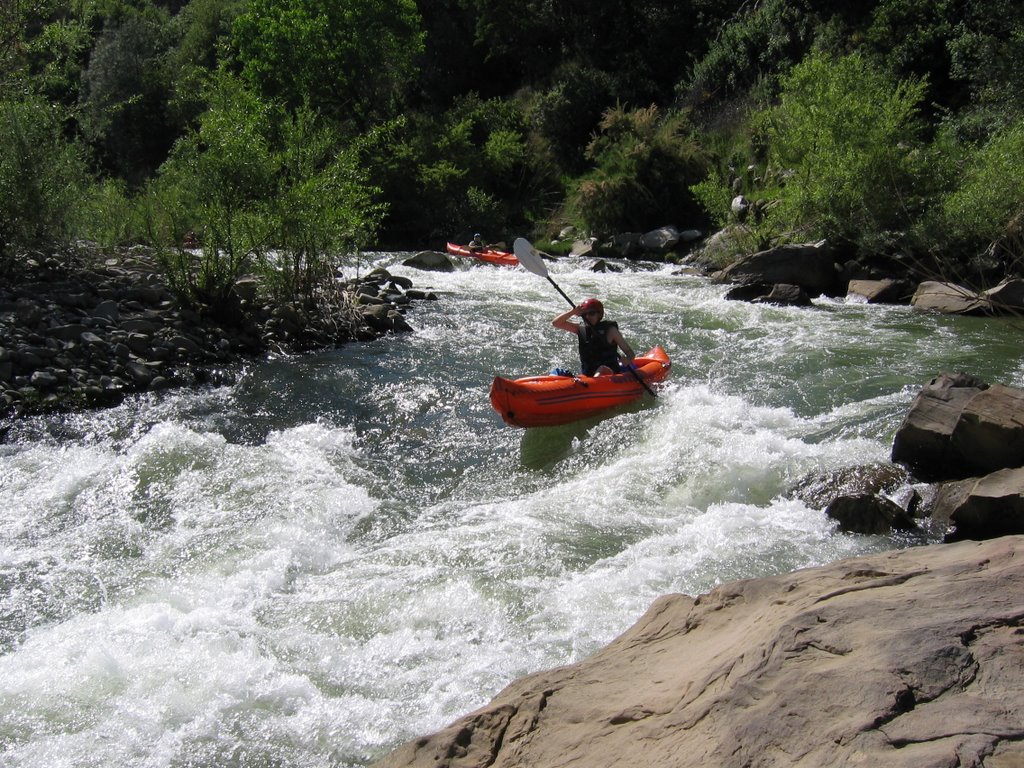
 What kayaks to buy?I know this blog has been pretty gear-focused of late, but this time of year I always get the request as to what types of things to get for backpacking/boating/general recreation.Since it's now kayaking season on Cache Creek (and yes, I've already gone this year), people often ask what boat I have. Those who know me know I like good gear, but also like inexpensive gear. Why pay more than you have to for the same amount of fun?My boat is the good-old Sevylor K79SB, aka. Orange Torpedo, or as I call it, the Disposaboat. It's a self-bailing version of the classic Sevylor 'Tahiti', originally made for Orange Torpedo raft trips; a company that runs whitewater tours in the pacific northwest. The boats go for under $150, and have plenty of room for you and your gear, especially on overnight trips. Despite what they say, they do not work with 2 people. I've tried it. It's not great.But, for one person, these boats can't be beat at their price point.Another good, relatively inexpensive boat is the Aire 'Tomcat'. A two-person version of this will run about $399, lightly used at www.gravityplay.com. That's the best price I've seen.Whatever boat you choose, remember you life vest. In Yolo County, it's a County ordinance that you wear one while boating. The image above is from last Wednesday, on my Orange Torpedo on Cache Creek.
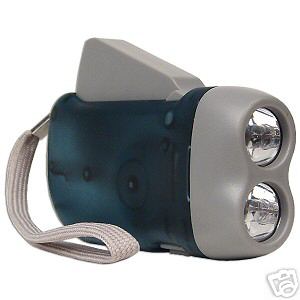
 Finally got a flashlight I will useThough for ultralight backpacking purposes, a tiny coin-cell LED light is preferred, I also like this one. You can find numerous sellers on Ebay. Don't pay over $8 total, including shipping. Search for 'Squeeze light'.Here's the problem: Most of the time when you own a flashlight, you use it for a while and then the batteries die. Ok, sure, you can get rechargables, but that means you need to plan ahead before a trip. I'm usually just making sure I have food.So with this one, you squeeze the dynamo to charge a capacitor (some have onboard batteries which are recharged by the dynamo) which then gives you power to run the light. You never have to worry about batteries again. Perfect.Reviews of the 'shake lights' were poor, but these dynamo lights really work. I bought a few for camping and for home use. Since my kids like to play with flashlights, this solves the battery problem for them as well. They've also learned to squeeze it....
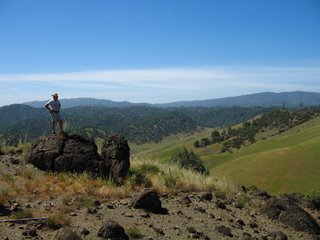
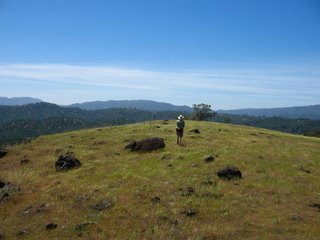
Trip Report on the Bear Creek/Craig Canyon HikeWinter turned to summer with little time for spring. This, of course, meant it would be hot, or at least really warm. I don't really mind hiking in the heat and I always pack lots of water. I ran through it on this trip. The hike was short. Surely no longer than 5 miles, but most was cross-country. I'd wanted to hike up to the 'other' Blue Ridge, shown on USGS maps south of Highway 20 and west of Highway 16.So, leading a small group, we hiked directly west of the BLM 'Cowboy Camp' parking area and trailhead, fording Bear Creek and starting directly up the grassy serpentine hills. The hills west of the trailhead have grass slopes, with a nice covering of chapparal on the top. Elk had blazed a trail that was easy to follow through the thick brush.At the top of the hill, we were greeted by a barren rocky surface with large rock buttes which served as vista points. Continuing south along the ridge, we saw a nice herd of elk snaking their way across the slope. After several minutes of photos, we continued on to a nice rock butte for lunch. My hydration pack still had a large block of ice contained within, so though it was 95 degrees, I still felt cool.Lunch over, we trekked down to Craig Canyon, pausing to look at an old hunting camp site, complete with rusty stove. Though it hasn't rained in quite some time, the creeks were all flowing substantially, including those coming out of the dry hillsides. Most impressive!The trip concluded with another crossing of Bear Creek, and a nice one-mile flat hike back to the Cowboy Camp. I'm increasingly fond of Bear Creek. Lots of ancient sea-bed outcroppings and gorgeous plunge-pools. Numerous ledges form waterfalls and cool, green pools beneath. One of these days I need to map them all....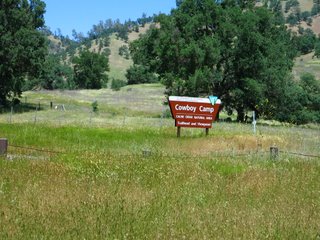


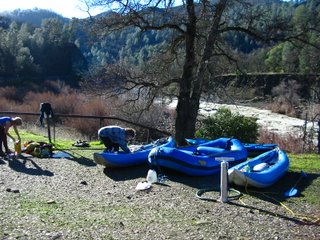 Kayaking season has begun on Cache CreekFlows started going up for irrigation last week, so now through August it will be sweet!For current flow conditions, check out Yolo County Flood's website, and click on Water Releases.I plan on doing the Rumsey run next week....the wilderness run from Highway 20 will have to wait until I get more free time....The Rumsey Run is great in that you can do the run in 2.5 hours, then be back home in time for lunch.
Low Water Bridge Now PassableIt seems like Rayhouse Road and all the trails beyond (Blue Ridge, Frog pond, Fiske Creek, etc.) have been off limits forever, what with so much flow coming down Cache Creek and crossing over the low-water bridge. My normal rule of thumb is that if it is 1500cfs or under, you can cross. Most all of march it's been over 3000.Well, I checked this morning and the river is running under 600cfs at Rumsey, so if you are planning a hike this weekend, try out the frog pond or blue ridge, as the bridge is now passable!Next up: irrigation releases and rafting season!
Zim Zim falls trip report – 4-10-2006.
Wet. Really wet. Soooo wet.
We met at the usual 9am time in Winters. Sam was the designated leader for this one, so I didn’t do my usual head count. I think there were about 13 to 15 people. Not bad, considering it was raining. I suspect the promise of a 100-foot waterfall in our own watershed was just the motivation people needed to brave the weather. We carpooled up to the trailhead, dodging the landslides and fallen rocks on the road. These storms have done a number on the slopes, and erosion was everywhere.
We finally made it up to the trailhead, parked, and got ready to slog up the trail to the falls. Eticuera creek had been extremely high recently, as was evidenced by the debris line, which was the highest I’ve ever seen it. Walking up the trail, we passed the small grove of (currently dormant) Osage orange trees. They are a remnant of the old hotel and ranch grounds, now long gone. After crossing Zim Zim creek the first time, we could smell the sulphur from Zim Zim spring.
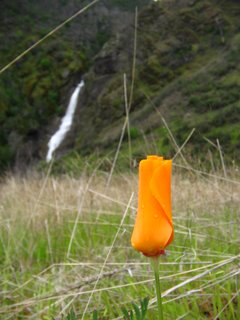
The valley looked really nice, and the wildflowers are trying, desperately, to get going. Just too wet, cold and overcast to really start the show, but if we get a break, they are sure to just go nuts, and for quite a while with all that soil moisture. We meandered, talking, up to the final split, where we began the ascent toward the vista of the falls. Slowly they came into view, as well as becoming audible. The falls were spectacular, given the volume of water pouring through the narrow gap between the mountains.
After lunch on a nice rock outcropping, located about halfway down the slope, directly across from the falls, we headed up to look at the valley above. Feeling adventurous, I talked most of the group into making this hike a loop, by passing into the Nevada openings, following Nevada creek, then looping back to Zim Zim. I’d never taken this route before, but given that I’d studied the maps beforehand, and had my GPS (with the car’s location entered) I felt confident we’d have no problems.
The loop added a hair over a mile to our trip, but was well worth it. The lands along Nevada creek are pretty stunning. Jagged rocks rise up to cap small knolls, hidden waterfalls drop down side-canyons, and blue oaks dot the grasslands that mix between the brush-covered mountains. One other hiker and I described the place as having a really good ‘vibe’. Hard to describe, but some places just feel nice, and this was one of those places. I’d love to do an overnight here sometime.
We followed the creek downstream, then wound a bit up the side of the hill, eventually finding our way back down to the creek and around the mountains that separate Nevada creek from Zim Zim creek. Along the way, several small waterfalls were visible in side canyons. I’m going to have to explore these one day.
Once back at Zim Zim, we walked the half-mile back to the cars where Sam was waiting. Huge kudos to Sam for waiting the hour and ten minutes longer it took us to do the loop. Sam had headed back with Carol and Andrea, from the falls, and since he had carpooled with several in my group, he had to wait. Yet, he was just as enthusiastic about the trip as our group, since this was the first time he had seen the falls!
Overall, another fabulous and beautiful trip in our local watershed.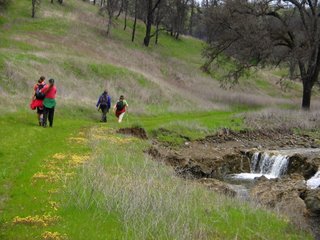


Alcohol stoveWhen I started getting into lightweight backpacking, one of the first items I researched was how to lighten my stove. This was a little hard, since I really love my Coleman Peak 1 Multi-fuel. It's a great design, has fabulous simmer control, and few parts. It also weighs a ton.So then I read online about all these alcohol stoves people make themselves. If you know me, you know I love to make my own stuff, so this seemed interesting. Plus you get to play with fire, so, you know, even better, right?The best design I found was at this link. It works fabulously. I used it on an overnighter last year with Mark Abildgaard, up on Cortina Ridge. It boiled water real quick, and the thing is super lightweight. It's become my new backpacking stove for all my trips. It's even light enough for day hiking use, if you want a hot lunch. When you buy the JB Weld and aluminum tape, you'll have enough for at least a dozen stoves. Gifts, perhaps?
Kids in NatureI love bringing my kids outdoors. One of the best trips you can make with small kids is to go to Cold Canyon, find a path to the creek, and just let them spend a few hours splashing in the water and climbing rocks. In fact, on the main page of Yolohiker you'll see a link to a series of hikes at Cold Canyon, sponsored by UC Davis. Several are for parents and kids. Check it out!Also, bring your kids on some of the Capay Valley Hiking Club hikes.http://www.sfgate.com/cgi-bin/article.cgi?file=/gate/archive/2006/04/05/gree.DTLLast month a Cornell University study reported that childhood wild-nature play -- unstructured time in nature like camping, hiking and playing in the woods -- has a profound influence on environmental attitudes and actions later in life. But most kids these days are brought up in over-manicured suburbs with an abundance of electronic playthings and an ever diminishing exposure to nature. According to Richard Louv, author of "Last Child in the Woods," they are suffering from "nature deficit disorder." In his book, Louv describes a cycle of alienation: Kids who don't go out into nature aren't familiar enough with nature to want to go into nature and don't feel comfortable when they're there. And that's bad news for their future capacity to steward the environment.
Headlamps - not as useful as you'd thinkI'd bought a headlamp, thinking it would be useful for two reasons. First, I love having my hands free when hiking, and second, I needed something for use when I'm doing construction work. For example, when fixing plumbing, it's great to be able to shine your headlamp on the work area and keep your hands free.However, I discovered that when camping on Cache Creek, a headlamp does more than you'd think....Starting out on a night hike, I fitted the headlamp, turned it on, and was immediately surrounded by all manner of bugs which were attracted to the light. Turns out a handheld flashlight is the much better option when outdoors.So now my headlamp sits in my tool bucket...:-)But my headlamp did come with a bonus micro LED light that uses coin cell batteries, so I use that when backpacking....
Lightweight (free) Walking Stick
Everyone is using walking sticks these days. Lots of the hikers have them on our hikes, and they do make it easier to cross creeks. Especially those with moss-covered rocks.
I've been looking at them, but quite frankly, can't find it to spend $150 on a pair of sticks. I know, they are useful...But come on....It's $150.
So I went looking for an alternative. Some people use bamboo, but again, you either have to have a source, or you have to buy it.
So, what's like bamboo, infests all our local rivers, and is just begging for you to cut it down? That's right, arundo donax, the giant reed. It's evil, infests streams, and it's about time it got put to a beneficial use.
So, I cut off some nice stalks, let them dry, and now I have walking sticks that are extremely lightweight, flexible, but still strong, and great for walking. Even better, if they break or split, you can get some more for free.
Upcoming trip to Zim Zim fallsApril 9th, the hiking club is going to Zim Zim falls on the newly-public Napa Ranch, above Lake Berryessa. This will be the first time with the club, and the second time for me. You know, it's real satisfying to know this 12,575-acre ranch is now in the public domain. Not only is it a wonderful property, it connects more property along the blue ridge mountains. I look forward to exploring every square inch of this area. There are lots of cool spots back there, as well as nice spur ridges and knolls. Plus we can now hike portions of the old toll road, that used to lead from Moticello to the Capay valley. The falls are pretty spectacular. Getting this open to the public was a real coup. So enjoy it and come out with us on April 9th. (But be prepared for wet feet, since you have to cross Zim Zim creek 8 times...)
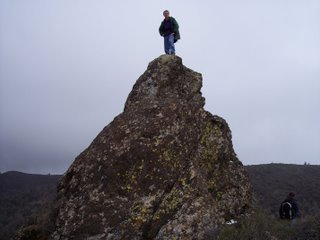
Walker Ridge Trip Report 3-12-06 So the last trip I took was to Walker Ridge. The forecast called for rain, but since we never cancel, and since I was leading the hike, I got up to go. A new hiker, Paul, was meeting me for a ride, so that was some incentive. Another friend, Trevor, wimped-out (yes, totally wimped-out to stay at home and bake banana bread with his girlfriend, COME ON!) so it was just Paul and I. I've found people come on these hikes based on weather, whereas I'm just happy to be able to get out and have the time to do it, so I'll never cancel unless really ill, and even then have been known to do 7 miles (and suffer for it later). As expected, we only had three others at the meeting location in Guinda, so we caravanned up to Walker ridge, off highway 20. The hike is one that I'd initially taken last year, by piecing together a route from topo maps and aerial photos. Not all of the route is shown on the topos, but two segments of trail were shown to connect on the aerial, so I took a chance. Walker Ridge is one of those places I have not explored as much as I want to. Part of the reason is time, and the other part is distance. The first reason is best, since the distance isn't that much greater than other hikes in the region, even though it is hard to not stop the car at the closest hikes, just to get going. The trail route is hard to find. Like most of the hikes in the region, there are no signs, so you have to know the landmarks and the area in general. We pulled out at the intersection between walker ridge road and the road to Indian valley reservoir then started the hike. Now, I'm going to purposefully omit a couple of the places we went to. There are some natural and cultural features I know about that if I wrote too much about, would end up getting trashed. So those get left out, but rest assured, there are enough great places to see without getting the full scoop. You want to find the obscure places, you need to explore like I have. So, the first stop was signal rock. Signal rock is shown on USGS maps, above the freshwater branch of Sulphur creek. I've read in old mineralogist’s reports that these rocks could be remnants of mineral deposits, exposed when the surrounding rock was eroded way. Signal rock is about 20-feet high, and I climbed as usual to the top. My camera decided to leave early, and bounced down. It was interesting to shout "uh, oh!" Then watch as the camera bounced end over end, but took so long that I was able to continue...'here it comes', 'oops', and ' make sure you catch it' (to Paul waiting below) I was certain it would be destroyed, but it was no worse for wear (minus a few dents). I’ve taken to buying inexpensive Canon digital cameras, since I have a history of destroying them on these adventures. They either drown on the river or tumble off rocks.... Anyway, one thing I didn’t mention is that it wasn't raining on us, despite the heavy rain in the valley. No, it was snowing. I love it when it snows on Walker ridge. This time, the snow was light and fluffy, like walking through a room filled with chicken feathers. We ate lunch behind the rock, with the snow blowing around us. Surprisingly, it really didn't feel cold. After lunch, it was time to head out to Eagle rock and then back up to the cars via Oak cove. Eagle rock is a similar spire to Signal rock, but in this case, we just look at it from an unnamed rock formation across the canyon. Getting to Eagle rock would require quite a bit of elevation loss, then bushwhacking to get to the rock itself. Not this time. Having seen Eagle rock, we backtracked a little ways until we got the intersection that took us to oak cove. Oak cove is a hidden oasis in a sea of chemise chaparral and pygmy cypress. It has oaks that inhabit the small grassland area with a seasonal creek that runs through the middle. I first spotted it on a map, and it was a nice hidden area. Sometime I need to return to look for signs Native American inhabitation. Usually when you have oak woodlands in secluded openings, or the confluence of two creeks or rivers, you find signs of settlement. Sometimes, but not always. After passing through Oak cove, we began our ascent back up to Walker ridge road. The old track is pretty eroded, with extremely deep ruts in the trail. Water flowed down the center of the trail, eroding 3-foot deep chasms. Near the road, we stopped at the Clyde mine to look at the adits. Clyde mine has a number of adits (tunnels going straight back into the mountain) as well as surface excavations. We also saw an old drop for ore carts. Satisfied at our discoveries, we headed back up the road to the cars. After we were done, we headed into Williams, off I-5, to stop at Granzellas to eat garlic-stuffed olives and marinated garlic. The rain was pouring down in the valley, but we had memories of the snow.

 Great site for creating GPS maps
I'd been pondering buying some sort of mapping software. At least, something better than Garmin's Mapsource software. Mapsource is fine, but I wanted something with topo maps in the background. I'd considered shelling out the $99 for National Geographic's Topo! software, which is really good.
Then, I stumbled across www.gpsvisualizer.com and was hooked.
This site lets you not only create maps online, for free, it lets you choose any number of backgrounds for the maps, including aerial photos and satellite images.
Several of my hikes, including the Knoxville State Wildlife Area, as well as Zim Zim falls and Road 53, have used this to create the maps. Not too shabby!